PRIVATE MUSIC LESSONS · CHILDREN, TEENS & ADULTS

Find their sound.
Let it grow.

An instrument they love. Music they make their own.

A favorite song. A rhythm tapped on the table. The wish to sing, play or create something new. Music lessons give that curiosity somewhere to go, with individual guidance and small steps worth celebrating.

Explore all 24 instruments, combinations and music subjects at GoldPass Music. Start with what interests your child today, and leave room for the musician they may become.

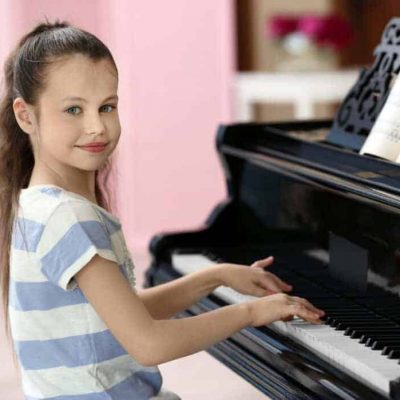
Young student seated at a piano
First notes. New interests. Their own music.
24 ways to explore musicOne-on-one guidanceRoom to change and grow

A GOOD START BEGINS WITH CURIOSITY

There is more than one way
to become a musician.

Parents choose music lessons to give a child space for creativity, expression and the satisfaction of learning a skill. Regular practice offers opportunities to listen closely, work through challenges and notice progress. The goal is a musical experience your child wants to return to, with expectations that suit their age and interests.

The first instrument does not have to be a forever decision. Skills in rhythm, listening and musical understanding can support a new direction later. Your child can deepen one interest, try another or combine two subjects with a suitable teacher.

EXPLORE THE POSSIBILITIES

Start with a sound they love

Piano / Keyboard

Melody, harmony and rhythm come together at the keyboard. Students learn notes, chords, reading and coordination, then use those skills in music they enjoy. Piano gives curious beginners a clear visual way to explore how music works.

Consider before starting: Plan for a suitable keyboard or piano and a comfortable bench. Ask the teacher about key size, touch and pedals before buying.

Explore Piano / Keyboard lessons ↗

Singing

Singing lessons help students explore pitch, rhythm, breathing, clear words and musical expression through songs they connect with. For a child who is always singing, individual guidance can turn that enthusiasm into thoughtful practice and greater comfort sharing a song.

Consider before starting: Choose repertoire suited to the student’s age and comfortable range. Lessons should encourage easy, unforced singing, with room for a changing voice.

Explore Singing lessons ↗

Guitar: Acoustic & Electric

From first chords to favorite riffs, guitar brings rhythm and melody into songs students recognize. Lessons can include strumming, picking, reading, technique and playing with others. Acoustic and electric styles offer different sounds, with plenty of room to explore pop, rock, folk, blues and more.

Consider before starting: Instrument size and a comfortable setup matter. Electric guitar also needs amplification; ask a teacher which option fits the music your child wants to play.

Explore Guitar: Acoustic & Electric lessons ↗

EXPLORE THE POSSIBILITIES

Two interests. One musical connection.

Piano & Singing

Connect the melody you sing with the chords you play. Students can build keyboard and singing skills separately, then bring them together through simple accompaniment and favorite songs. This combination suits children who enjoy performing a whole song and want to understand how its parts fit.

Consider before starting: Choose a teacher who teaches both subjects. Agree on priorities and how lesson and practice time will be divided.

Explore Piano & Singing lessons ↗

Guitar & Singing

Bring lyrics, melody and a guitar accompaniment together. Lessons can develop chord changes, steady strumming, singing and the coordination of doing both at once. For aspiring singer-songwriters or children drawn to acoustic performances, the combination offers a personal way to make music.

Consider before starting: Playing and singing together takes patient practice. A teacher can simplify the accompaniment while the student learns to keep the song moving.

Explore Guitar & Singing lessons ↗

Piano & Guitar

Explore music from two perspectives: the keyboard’s visible patterns and the guitar’s strings and chord shapes. Students can compare melodies, rhythms and harmony across both instruments while developing a distinct technique on each. It is a useful option for a child interested in more than one sound.

Consider before starting: Access to both instruments and a realistic practice plan are important. Discuss whether to alternate subjects or include both in each lesson.

Explore Piano & Guitar lessons ↗

EXPLORE THE POSSIBILITIES

Strings & rhythm

Drums

Drum lessons turn a love of rhythm into grooves, coordination and musical listening. Students work on sticking, timing, reading patterns and playing along with music. Learning when to support a song and when to add a fill helps a drummer understand their role in a band.

Consider before starting: Discuss acoustic versus electronic drums, practice space, noise and appropriate hearing protection. A practice pad can support selected skills but does not replace every drum-kit activity.

Explore Drums lessons ↗

Ukulele

A small four-string instrument with a bright sound, ukulele offers a welcoming route into chords, strumming and accompanying songs. Students can also explore melodies and fingerpicking as they progress. Its compact size may appeal to younger learners who want an instrument they can hold comfortably.

Consider before starting: Choose a size that fits the student. Good tuning and a playable setup matter more than choosing an instrument solely because it is small.

Explore Ukulele lessons ↗

Violin

Violin lessons combine expressive melody with careful listening, bow control and coordinated finger placement. Students can explore classical pieces, fiddle tunes or other styles with a suitably matched teacher. The instrument can appeal to children who enjoy its singing sound or hope to join an ensemble.

Consider before starting: A correctly sized violin and bow are essential. Ask about rental, comfortable support and tuning help before committing to equipment.

Explore Violin lessons ↗

Cello

With a warm, wide-ranging sound, the cello can carry a melody or provide a foundation beneath other instruments. Lessons introduce seated posture, bowing, listening, reading and finger placement. Students develop control gradually while discovering music for solo playing and ensemble participation.

Consider before starting: Cellos come in different sizes. Check the fit, chair, endpin support, transport and practice space with the teacher.

Explore Cello lessons ↗

Double Bass

The upright double bass provides a deep foundation in orchestral, jazz and other ensemble music. Depending on the teacher’s specialty, study can include bowing, plucking, rhythm, reading and bass lines. It is a separate instrument from bass guitar, with its own physical setup and technique.

Consider before starting: Contact GoldPass to confirm suitable instruction before booking or renting. Instrument size, reach, transport and space deserve particular attention.

Explore Double Bass lessons ↗

Bass Guitar

Bass guitar connects harmony with the beat. Students explore fretting, plucking, timing, bass lines and how to listen to a drummer or another musician. For a child who notices the groove underneath a favorite song, bass can offer a rewarding place in a musical group.

Consider before starting: Discuss scale length, weight and amplification. A comfortable instrument helps students focus on an even sound and relaxed playing.

Explore Bass Guitar lessons ↗

EXPLORE THE POSSIBILITIES

Woodwinds & brass

Flute

Flute lessons explore a clear, flowing sound through breath direction, finger coordination, reading and phrasing. Students learn to shape melodies and listen carefully to pitch. Flute may appeal to children interested in school ensembles, classical music or the instrument’s light, expressive character.

Consider before starting: Check reach and instrument suitability with a teacher. Some younger students may need a curved headjoint or more time before the standard flute fits comfortably.

Explore Flute lessons ↗

Saxophone

Saxophone offers a rich, flexible sound heard in jazz, concert bands, pop and more. Lessons can cover reeds, embouchure, breathing, reading, articulation and improvisation when appropriate. Students learn to connect a steady air stream with expressive musical ideas.

Consider before starting: Ask which saxophone size is appropriate, along with reed strength and support strap. Factor in maintenance and a place to practice.

Explore Saxophone lessons ↗

Clarinet

Clarinet lessons develop a focused sound, coordinated fingerwork and expressive phrasing across a wide range. Students can build foundations for school band, classical repertoire and other styles. Careful listening and step-by-step work help connect breath, reed and fingers into a reliable tone.

Consider before starting: A well-maintained instrument and suitable reeds make starting easier. Ask about assembly, cleaning and comfortable hand position.

Explore Clarinet lessons ↗

Trumpet

Trumpet brings a bright, projecting sound to bands, orchestras and jazz groups. Lessons introduce breath, embouchure, articulation, valve patterns and musical reading, with a gradual approach to range and endurance. Students can learn both clear melodies and the discipline of supporting an ensemble.

Consider before starting: Keep practice manageable and include rest. Discuss instrument condition, mouthpiece, comfortable playing and household noise before getting started.

Explore Trumpet lessons ↗

English Horn

The English horn is a double-reed woodwind related to the oboe, known for its warm, mellow tone. Study can address reeds, breath, fingerwork and phrasing in its distinctive repertoire. It is often of interest to players exploring orchestral woodwinds or extending existing oboe experience.

Consider before starting: Discuss readiness and specialist teacher availability first. Instrument access, reed supply and care require planning; it is not the same instrument as a brass French horn.

Explore English Horn lessons ↗

Tuba

Tuba provides a resonant foundation for bands and orchestras. Students develop breath support, a centered tone, valve technique, rhythm and reading while learning how a low part supports the whole ensemble. Its sound can appeal to learners who enjoy a strong supporting musical role.

Consider before starting: Arrange a suitable instrument and seating with a teacher or school. Size, weight, storage and transport should suit the student.

Explore Tuba lessons ↗
EXPLORE THE POSSIBILITIES

Create, understand & prepare

Songwriting

Turn a phrase, feeling or musical idea into a song. Lessons can explore lyrics, melody, chords, song structure and revising a draft. Students learn to make choices that support what they want to say, with projects shaped around their experience and preferred styles.

Consider before starting: Bring unfinished ideas as well as favorite songs. Singing or instrumental skills can help, but the teacher can adapt the starting point.

Explore Songwriting lessons ↗

Music Production

Explore how musical ideas become recordings. Depending on the student’s goals, lessons can cover a recording program, arranging, MIDI, editing, recording sound and introductory mixing. Working on a manageable project gives creative learners a practical reason to develop both listening and technical skills.

Consider before starting: Confirm software and computer requirements with the teacher before purchasing equipment. Begin with a setup the student can use confidently.

Explore Music Production lessons ↗

Music Theory

Understand the patterns behind the music you play and hear. Lessons can connect notation, rhythm, scales, intervals, chords and harmony with real musical examples. Theory helps students make sense of repertoire, communicate ideas and approach unfamiliar music with more understanding.

Consider before starting: Choose a level that connects to current playing or singing. Practical examples keep theory meaningful instead of becoming a list of rules to memorize.

Explore Music Theory lessons ↗

Composition

Develop original music for an instrument, ensemble or another creative project. Students explore motifs, form, harmony, texture and notation while learning how to develop an idea over time. Composition invites young musicians to experiment, listen critically and make their own artistic decisions.

Consider before starting: Discuss the student’s instrumental experience and goals. Paper, notation software or a recording approach can be chosen to fit the project.

Explore Composition lessons ↗

Ear Training

Build a more attentive musical ear through rhythm, pitch, intervals, melody and harmony. A teacher can connect listening exercises with singing or an instrument so students recognize patterns in the music they love. These skills support playing by ear, ensemble awareness and musical understanding.

Consider before starting: Start at a comfortable level and practice in short, regular sessions. Listening work can complement instrumental study rather than replace it.

Explore Ear Training lessons ↗

Audition Preparation

Prepare for a specific audition with a plan for repertoire, technique and presenting a performance. Depending on the audition, lessons may include sight-reading, excerpts, mock auditions or recording preparation. Individual feedback helps students organize their practice and understand what the event requires.

Consider before starting: Bring the exact requirements and deadline. Match the teacher’s experience to the audition; preparation cannot guarantee selection or admission.

Explore Audition Preparation lessons ↗

CHOOSING WITH YOUR CHILD

A good fit matters more
than a perfect first choice.

01 · Listen to their interests

Ask which sounds, songs and performers catch their attention. Watch or listen to different instruments together. Their own curiosity is a useful starting point, even when it differs from the instrument you imagined.

For a practical comparison, read our guide to choosing an instrument your child will enjoy.

02 · Make practice workable

Consider size, equipment, cost, household noise and a comfortable place to play. Ask a teacher about rentals or a sensible starter setup before buying. A manageable routine is easier to maintain than an ambitious one that does not fit family life.

03 · Find the connection

Look for a teacher whose experience, musical interests and communication style suit your child. Discuss goals and support needs. A trial lesson gives you a chance to meet and consider the fit before deciding on the next step.

ONE MUSICAL JOURNEY. MANY POSSIBLE DIRECTIONS.

They can change instruments.
They can love more than one.

An interest can change as children discover new songs, friends or ensembles. Talk with the teacher about what is working and what is frustrating before deciding whether to continue, adjust the approach or try something different.

Adding a second instrument can be exciting when there is time for both. Piano & Singing, Guitar & Singing and Piano & Guitar offer a connected starting point. A realistic plan helps protect enjoyment while each subject receives attention.

PERSONAL TEACHING THAT FITS FAMILY LIFE

Their teacher. Their interests.
A practical way to learn.

GoldPass Music offers live, private online lessons, connecting families with teachers beyond their neighborhood. Explore instructors’ musical backgrounds and approaches, then discuss a plan for the student’s experience and goals. Children, teens and adults are welcome.

For learning from home, prepare the instrument or singing space, a reliable internet connection and a device with a camera and microphone. Younger learners may need an adult nearby. Teacher specialties and availability vary, so confirm the subject and equipment before booking.

A PARENT’S GUIDE

Questions before
the first notes.

Choosing an instrument is a beginning, not a lifetime commitment.

Ask GoldPass a question ↗
Which instrument should my child start with?

Start with their interest in its sound and music, then consider physical fit, equipment, practice space and teacher guidance. There is no single best first instrument for every child. Trying an instrument before making a large purchase can help.

Does my child need previous musical experience?

No. Beginners can start with manageable musical activities and build skills gradually. Discuss readiness, attention span and any parent support with the teacher, particularly for younger children.

Can my child switch instruments later?

Yes. A change of interest can be part of learning. Talk with the teacher about the reason for the change, a sensible transition and any new equipment. Listening, rhythm and musical knowledge can remain useful, even though the new instrument has its own technique.

Can we learn two subjects with the same teacher?

Piano & Singing, Guitar & Singing and Piano & Guitar are our combined-study options. Select a teacher who offers both and agree on how to divide lesson and practice time. Other combinations depend on the instructor’s specialties and availability.

Do all teachers offer all 24 subjects?

No. Each teacher has particular instruments, styles and experience. Review profiles and confirm availability for your chosen subject. For Double Bass, contact GoldPass through its lesson page to inquire about appropriate instruction.

What should we buy before the first lesson?

Check with the teacher first. Instrument size, condition and setup matter, and renting may be worth considering. For online lessons, you also need reliable internet and a device that lets the teacher see and hear the student clearly.

How much should my child practice?

Ask the teacher for a realistic plan based on age, experience and goals. Short, focused practice between lessons can help skills develop. Start with a routine your family can sustain and adjust it as the student grows.

How do we arrange a trial lesson?

Read the trial lesson information and browse teacher profiles. Confirm the chosen subject, current availability and next steps with GoldPass or the teacher. The teacher coordinates and confirms the lesson time.

MAKE ROOM FOR MUSIC

Start with their curiosity.
See where it takes them.

Explore a subject, meet a teacher and take the first step together.